 Terry Gutierrez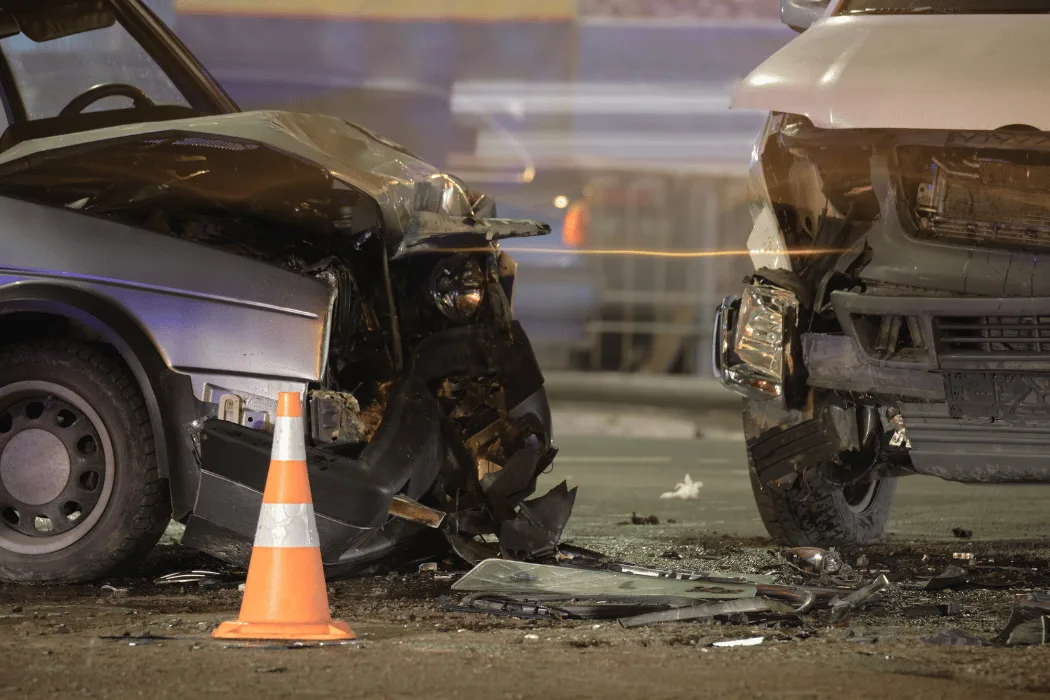
A successful car accident claim depends on evidence. Insurance companies and courts do not rely solely on verbal statements. They require documentation, records, and objective proof to determine liability and calculate damages. Understanding what evidence is needed to prove a car accident claim helps accident victims prepare properly and protect their legal rights from the beginning of the process.
Police Reports and Official Documentation
One of the most important pieces of evidence in a car accident claim is the official police report. When law enforcement responds to a collision, officers document key details such as the date, time, location, weather conditions, vehicle positions, and statements from involved parties. The report may also include citations issued for traffic violations.
Although a police report does not automatically determine fault, it often serves as a strong reference point during insurance investigations and legal proceedings. Insurance adjusters frequently rely on this document when forming initial liability assessments.
Photographs and Video Evidence
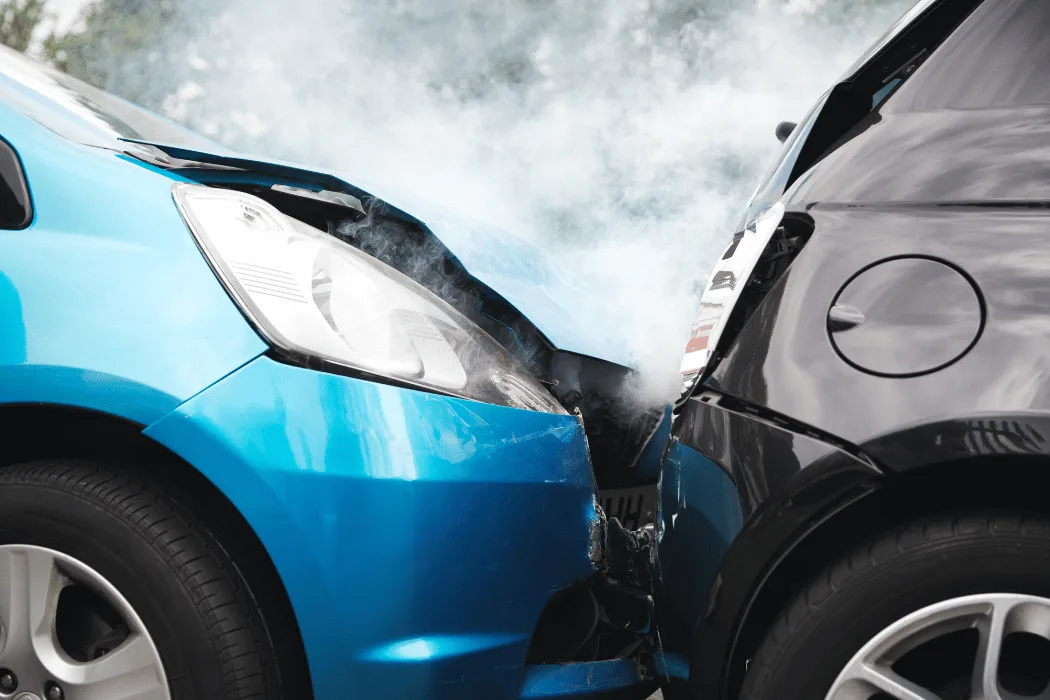
Visual evidence provides powerful support in a car accident claim. Photographs taken at the scene can capture vehicle damage, skid marks, traffic signals, road conditions, and surrounding property damage. These images preserve details that may fade or change over time.
Dashcam footage, surveillance videos from nearby businesses, or traffic camera recordings can further strengthen a claim. Video evidence may show the exact sequence of events leading to the collision, which can be especially helpful in disputed liability cases.
Clear and time-stamped visual documentation often plays a decisive role in determining fault percentages and validating damage claims.
Medical Records and Treatment Documentation
Medical documentation is essential when injuries are involved. Emergency room records, physician notes, diagnostic imaging results, prescription records, and physical therapy documentation all help establish the connection between the accident and the injuries sustained.
Consistent medical treatment demonstrates that injuries were serious enough to require professional care. Gaps in treatment may create questions during claim evaluation. Maintaining organized records of appointments, procedures, and recovery progress strengthens the overall case.
Medical evidence also forms the foundation for calculating damages related to healthcare costs and long-term treatment needs.
Proof of Financial Losses
Economic damages must be supported by clear documentation. Medical bills, repair estimates, vehicle replacement invoices, and receipts for accident-related expenses provide measurable proof of financial impact.
If the accident caused missed work, pay stubs, employer letters, or income statements may be necessary to document lost wages. For self-employed individuals, tax records and business income statements may serve as supporting evidence.
Accurate financial documentation ensures that compensation reflects the actual economic losses experienced after the accident.
Witness Statements
Independent witness statements can significantly influence liability determinations. Third-party witnesses who observed the collision may provide unbiased accounts of what occurred. Their statements can confirm traffic violations, reckless driving behavior, or right-of-way issues.
Insurance companies often view neutral witness testimony as credible evidence. Collecting contact information at the accident scene makes it easier to obtain statements during the investigation stage.
In cases where fault is disputed, witness testimony can strengthen a claim and counter conflicting narratives.
Vehicle Damage Analysis
The condition of the vehicles involved can reveal important information about how the accident occurred. The location and severity of damage may help reconstruct the direction of impact and sequence of events.
In some cases, accident reconstruction specialists analyze vehicle damage, skid marks, and roadway measurements to create technical reports. These reports may be used during negotiations or court proceedings to support liability arguments.
Proper vehicle inspections should occur before repairs are completed, ensuring that damage is fully documented.
Expert Opinions
Certain car accident cases require expert analysis beyond standard documentation. Medical experts may provide opinions regarding long-term injury impact or permanent impairment. Economic experts may calculate projected future losses when injuries affect earning capacity.
Accident reconstruction experts may analyze crash dynamics in complex cases involving multiple vehicles or severe injuries. These professional opinions provide technical insight that supports claim valuation and fault assessment.
Although not required in every case, expert evidence can strengthen claims involving significant damages or contested liability.
Insurance Policy Documentation
Insurance policies themselves serve as critical evidence in determining available coverage. Policy limits, coverage types, and exclusions influence how much compensation may be available.
Understanding the applicable insurance coverage helps clarify whether claims involve liability coverage, uninsured motorist coverage, or additional protections. Policy documentation guides settlement discussions and establishes financial boundaries for resolution.
Communication Records
Maintaining copies of all communication related to the accident is important. Emails, letters, and claim correspondence with insurance companies provide a written history of the process.
Documentation of phone conversations, including dates and summaries, can also be helpful. These records create transparency and may prevent misunderstandings during negotiations.
Organized communication files demonstrate diligence and help ensure consistency throughout the claim process.
Timeline Documentation
Creating a clear timeline of events can help connect all pieces of evidence. This timeline may include the accident date, medical appointments, repair estimates, insurance communications, and missed workdays.
A structured timeline provides clarity when presenting a claim and ensures that no critical details are overlooked. Chronological organization allows insurers and legal professionals to review the case efficiently.

Why Evidence Matters in Claim Outcomes
Car accident claims rely on documentation because compensation decisions are based on proof rather than assumptions. Strong evidence reduces uncertainty, supports accurate liability allocation, and improves negotiation positioning.
When evidence is incomplete or inconsistent, insurers may dispute claims or assign higher fault percentages. Comprehensive documentation, on the other hand, strengthens credibility and supports fair compensation discussions.
Legal professionals, including firms such as CASTLE CAR ACCIDENT LAWYERS, often emphasize early evidence preservation to protect clients’ claims. Prompt documentation and organized recordkeeping help prevent disputes and improve overall claim efficiency.
Conclusion
Proving a car accident claim requires more than describing what happened. It involves presenting clear, organized, and verifiable evidence that supports liability and damages. Police reports, photographs, medical records, financial documentation, witness statements, expert opinions, and insurance policies all contribute to building a strong case.
Understanding what evidence is needed empowers accident victims to take proactive steps after a collision. By preserving documentation and maintaining accurate records, individuals improve their ability to navigate the claims process effectively and pursue compensation that reflects the true impact of the accident.